

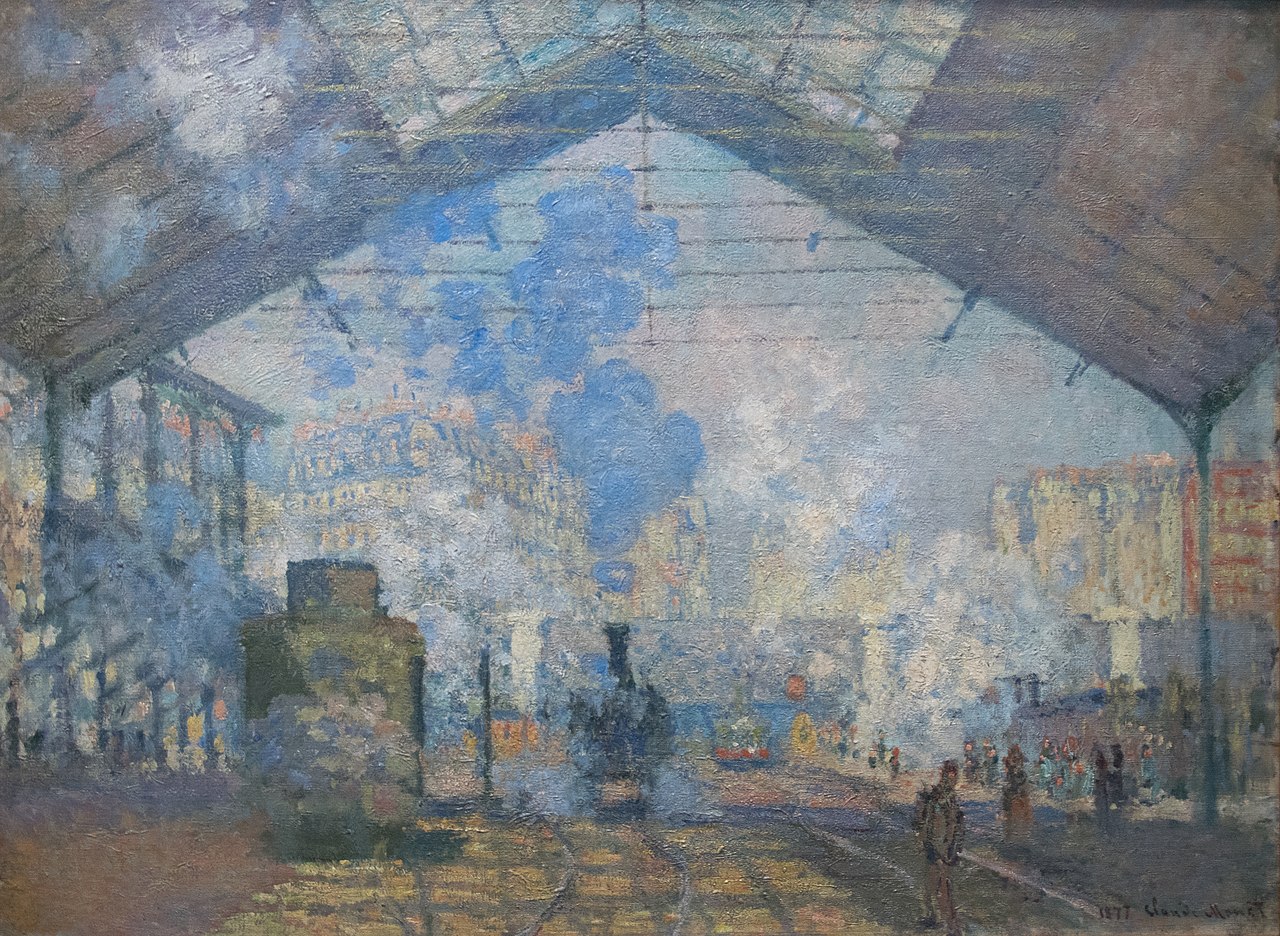
.webp.png)
The Antikythera mechanism predicts the positions of the Sun, Moon and planets and forecasts solar and lunar eclipses decades in advance. No human can replicate it by hand.
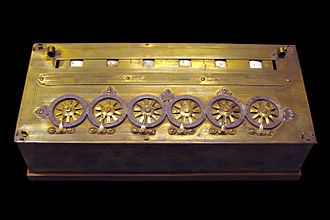
Pascal’s Pascaline adds and subtracts columns of figures faster and without error, outperforming any human bookkeeper.
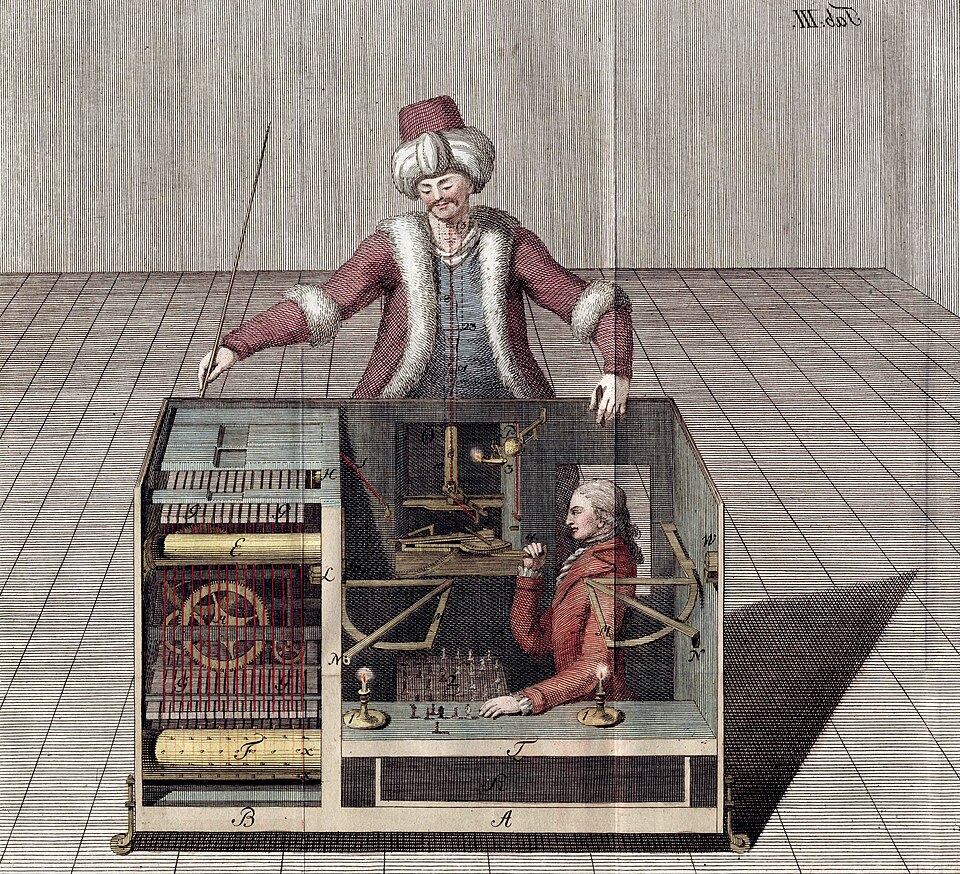
Wolfgang von Kempelen’s “Mechanical Turk”, a chess-playing automaton, tours Europe defeating most challengers. Humans are horrified. It is later exposed as a hoax, with a strong chess player hidden inside.
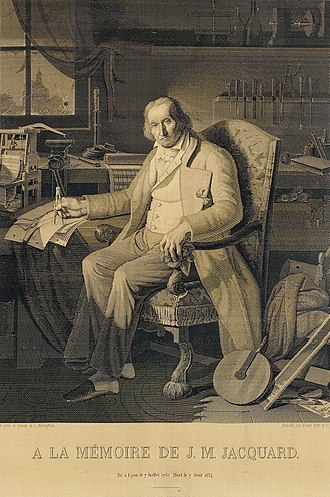
The Jacquard loom uses punched cards to weave arbitrarily complex textile patterns, reproducing designs that take human weavers months to produce.
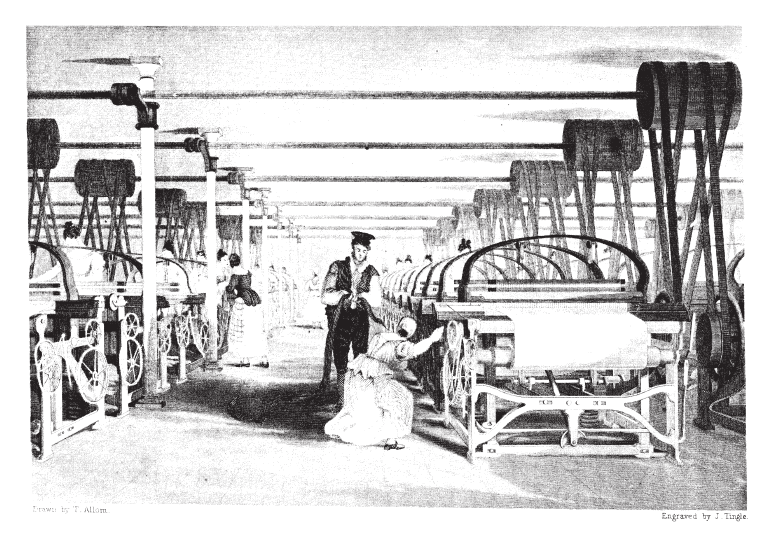
Luddite textile workers in Nottinghamshire begin systematically smashing stocking frames and power looms that threaten their livelihoods. Within months the uprising spreads across Yorkshire and Lancashire, becoming the largest armed industrial rebellion in British history.
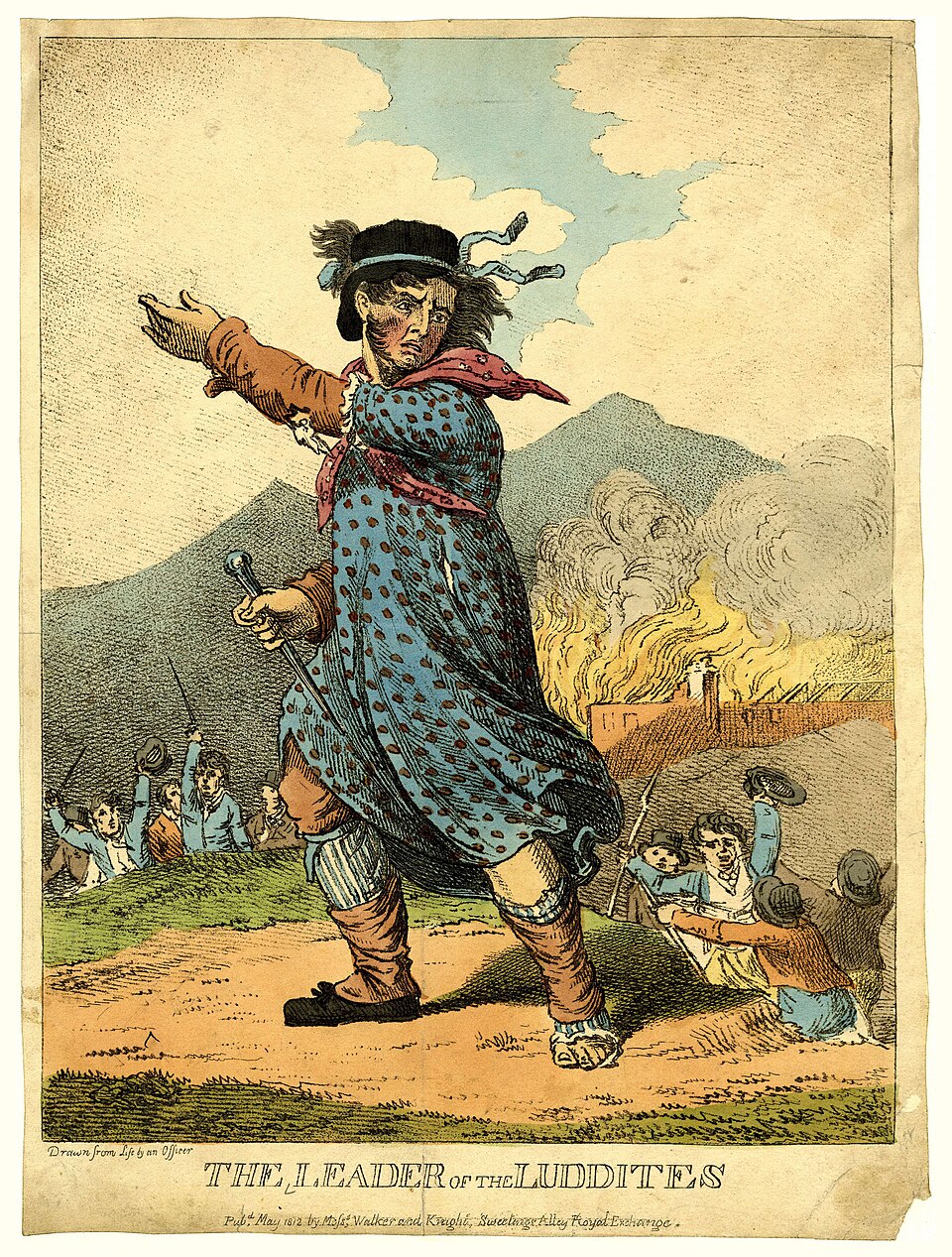
Parliament passes the Frame-Breaking Act, making machine destruction a capital offence. The Crown deploys more troops against the Luddites than Wellington commands in the Peninsular War. Seventeen are hanged; dozens transported to Australia. The movement is crushed, but the word “Luddite” enters history as the name for human resistance to machines.
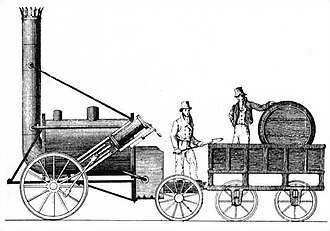
The steam locomotive “Rocket” wins the Rainhill Trials at 48km/h, faster than any horse. The machine age of transport begins.
Morse’s electric telegraph transmits “What hath God wrought” from Washington, DC to Baltimore in seconds. The fastest human courier on horseback takes hours.
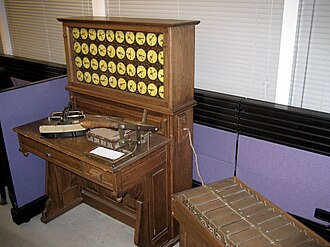
Herman Hollerith’s tabulating machine completes the initial count of the American census in under a year. The previous census, done by hand, had taken eight years.
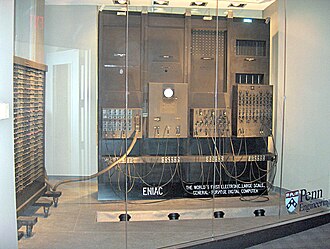
ENIAC performs 5,000 additions per second, around 2,400 times faster than a human “computer” doing the same sums by hand.
.JPG)
In a live contest in Tokyo, soroban master Kiyoshi Matsuzaki defeats an American Army electric-calculator operator four to one across addition, subtraction, division and mixed problems.
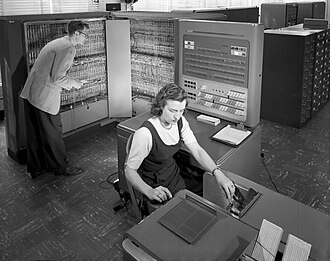
IBM mainframes solve differential equations in minutes that would occupy a team of mathematicians for weeks.
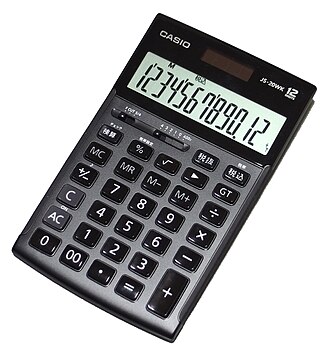
Pocket calculators make every schoolchild faster and more accurate at arithmetic than any human working unaided.
_1555_(4096x3236px).jpg)
World checkers champion Marion Tinsley withdraws from his title defence against the program Chinook after six drawn games, citing illness. The title passes to a machine for the first time. Tinsley lost only seven games in a 45-year career, two of them to Chinook.
_(cropped)_2.jpg)
Garry Kasparov defeats IBM’s Deep Blue four to two in Philadelphia, the last time a reigning world chess champion wins a formal match against a computer.
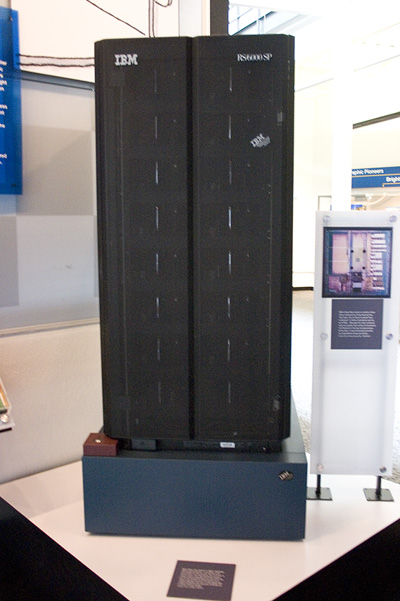
Deep Blue defeats Garry Kasparov by 3½ to 2½ in New York, becoming the first computer to win a formal match against a reigning world chess champion.
_in_1936_at_Princeton_University.jpg)
CAPTCHA is deployed; distorted text images that any human reads in seconds defeat every automated recognition system available, locking machines out of millions of websites.
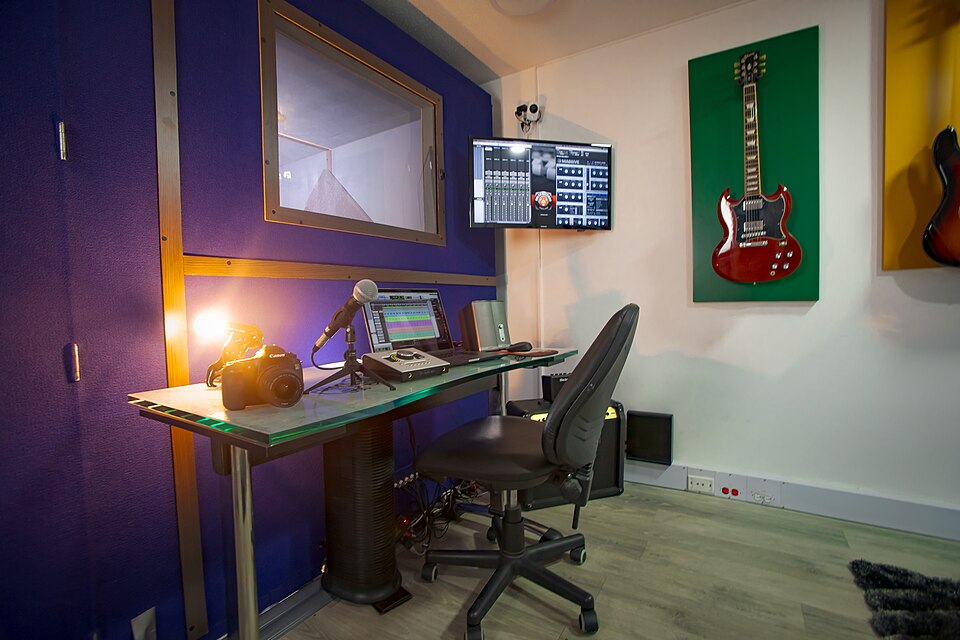
Shazam identifies any song from a five-second clip of ambient audio, even in noisy bars and clubs, faster and more reliably than any music expert alive. No human can match it on unfamiliar recordings.
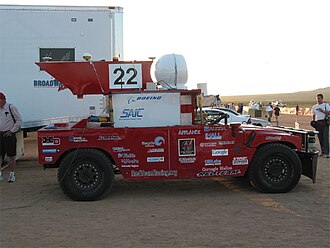
In the DARPA Grand Challenge, every robot entered in the 150-mile autonomous driving course fails. The best manages only 11.78km before stopping.
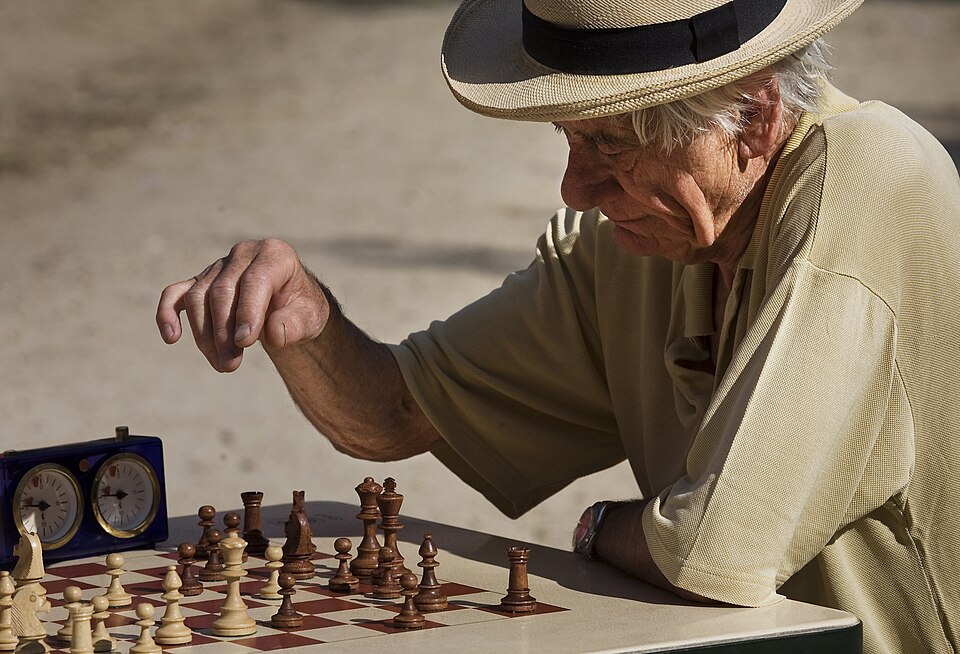
In freestyle chess tournaments, amateur players using modest laptops outperform dedicated chess supercomputers through strategic guidance. Human-machine centaurs reign supreme.
Checkers is weakly solved: a computer proof shows that perfect play by both sides always ends in a draw. No human can ever beat the program, though a perfect game will tie.
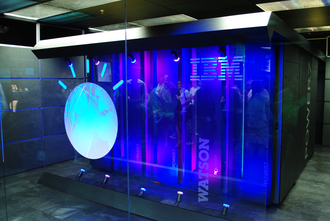
IBM’s Watson answers Jeopardy! questions faster and more accurately than all-time champions Ken Jennings and Brad Rutter, winning $1m.
_-_Google_Art_Project_-_edited.jpg)
Google Translate delivers usable translations across more than 80 languages faster than any human interpreter.
Microsoft’s ResNet identifies objects in images with a 3.57% error rate on the ImageNet benchmark, below the trained human error rate of 5.1%. Deep learning now sees better than people.
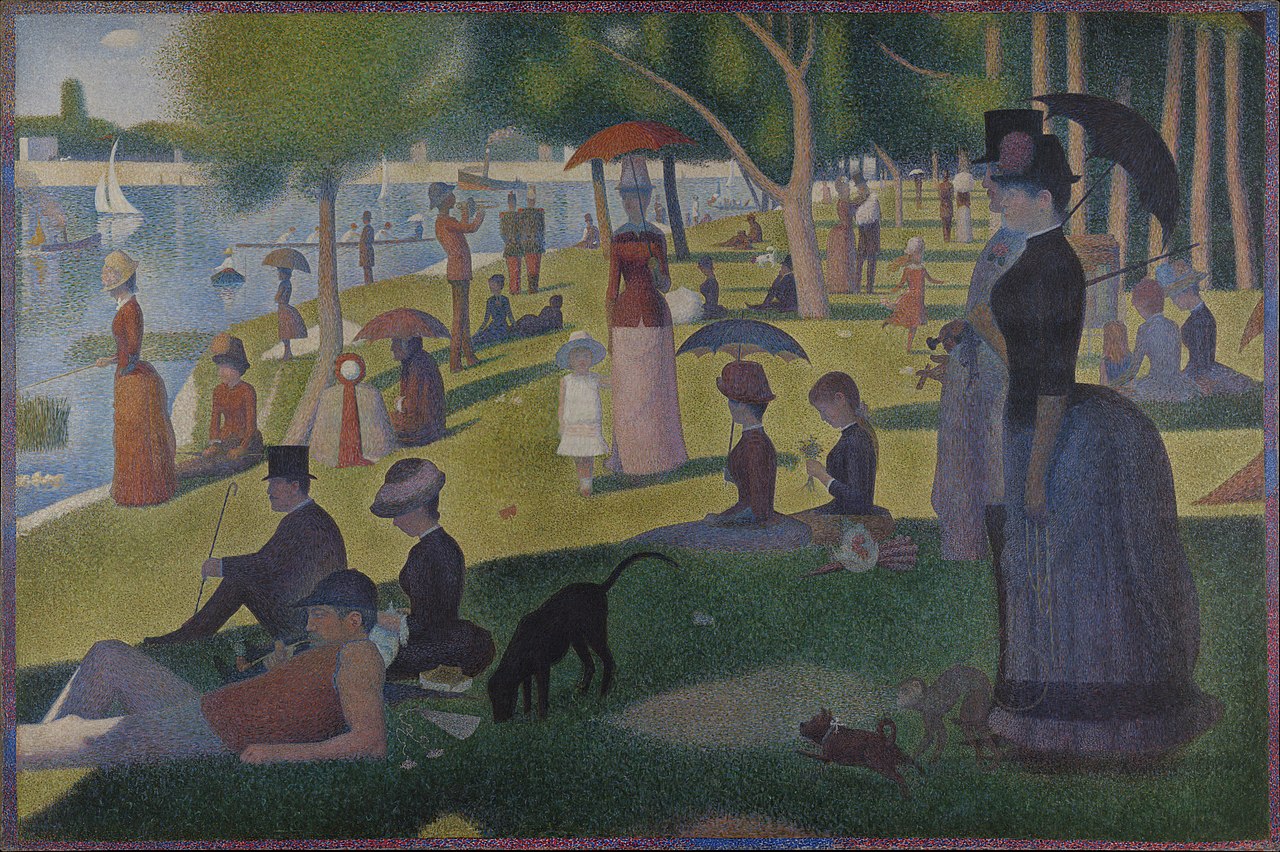
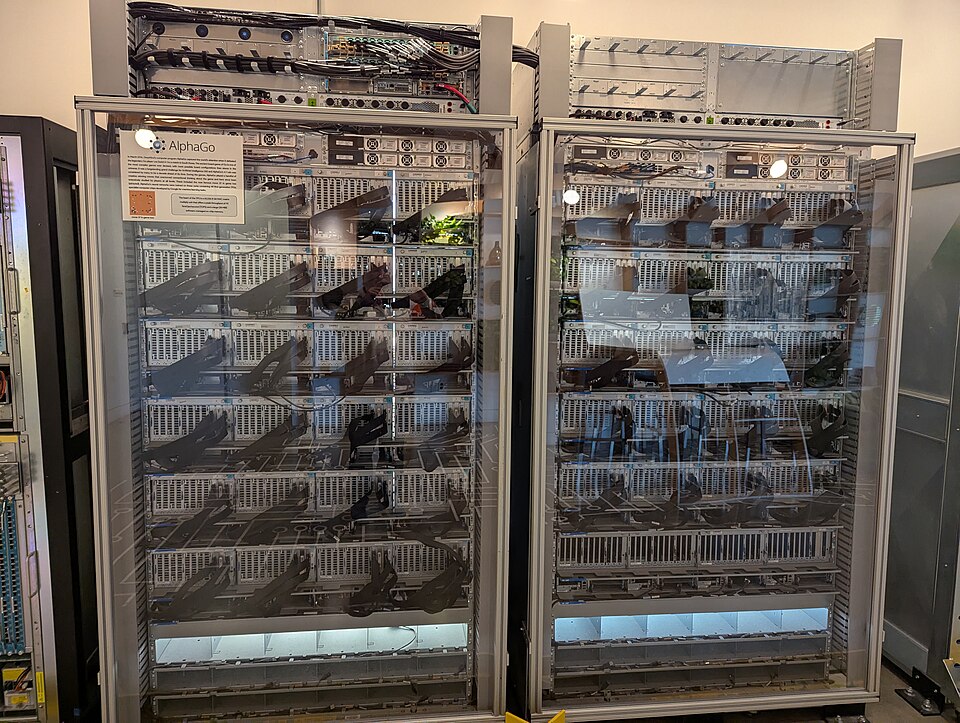
AlphaGo defeats world Go champion Lee Sedol four to one. The game had been considered too complex for AI mastery for decades.
.jpg)
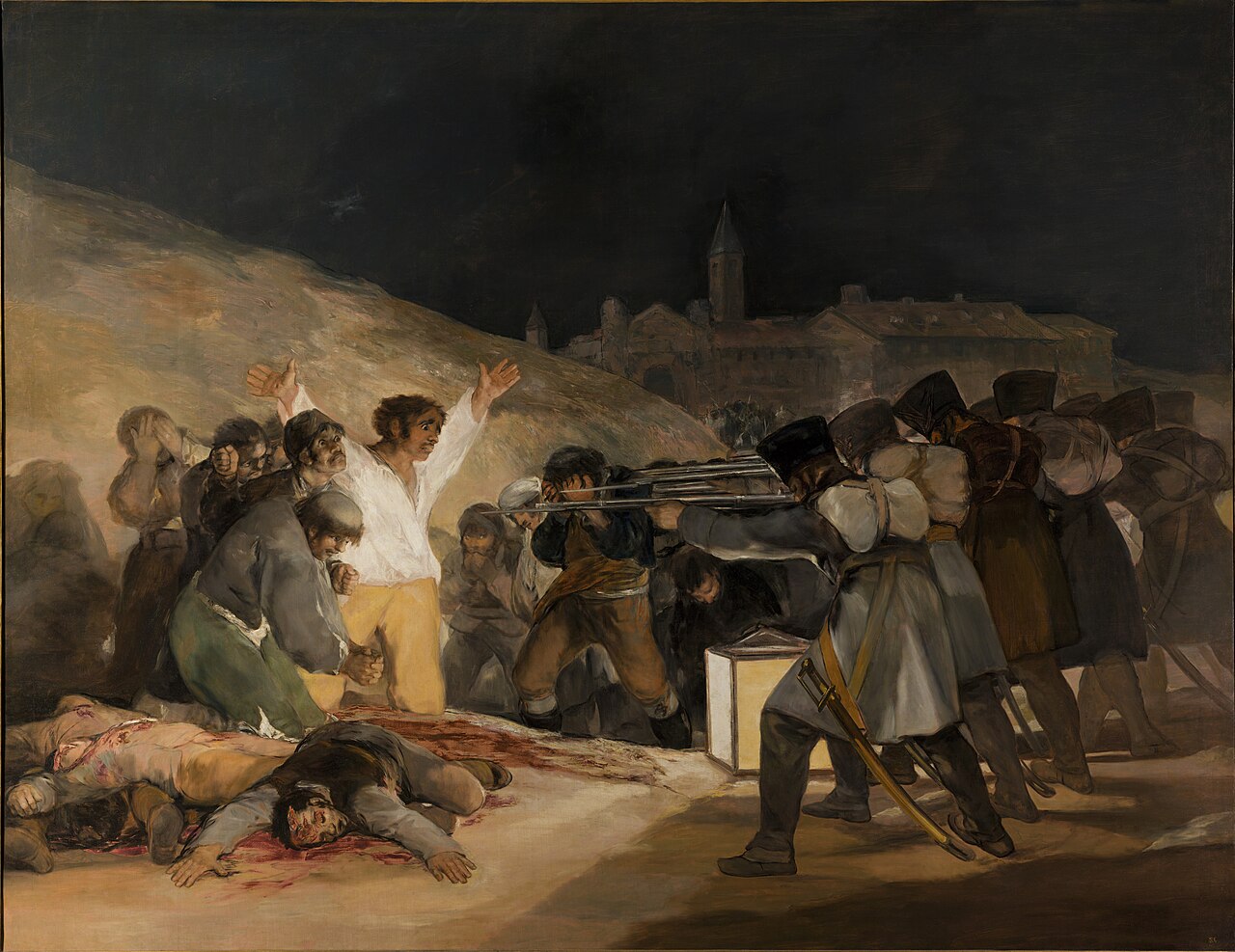
In game four, Lee Sedol plays “Hand of God” move 78, a move with a one-in-10,000 chance of any human attempting it, exposing a blind spot in AlphaGo and winning the only human victory against it in competitive play.
The chess engine Stockfish surpasses an Elo of 3,300 on computer rating lists, more than 400 points above world champion Magnus Carlsen. No human can win a serious game against it.
AlphaZero teaches itself chess, Go and Shogi from scratch, with no human knowledge. Within four hours of self-play it defeats Stockfish, the world’s strongest chess engine; within eight hours it surpasses the version of AlphaGo that beat Lee Sedol.
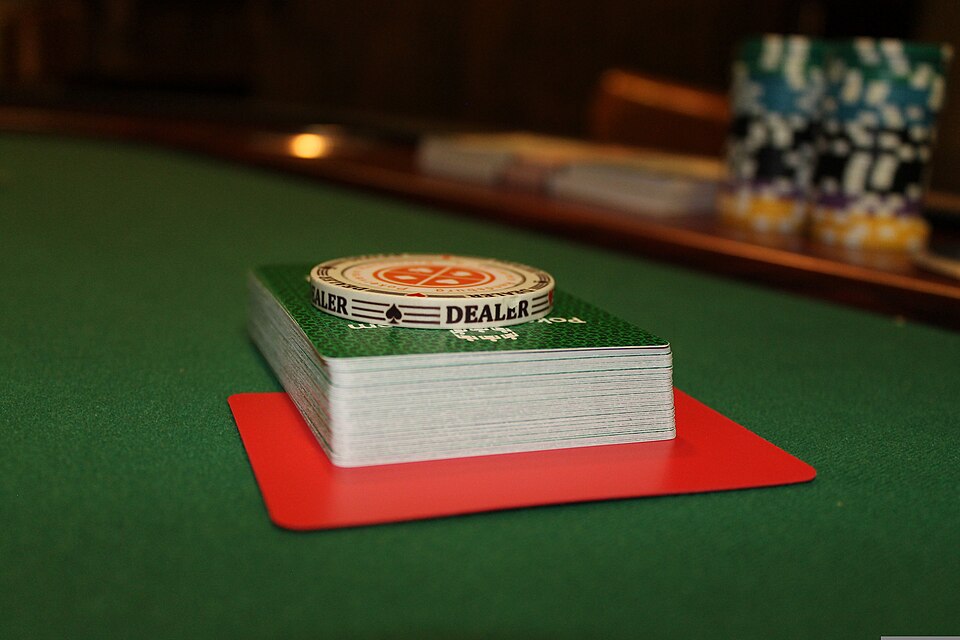
Libratus defeats four world-class players over 120,000 hands of no-limit Texas Hold’em poker, the first AI to beat professionals at a major game of imperfect information.
Stanford’s CheXNet reads chest X-rays and detects pneumonia more accurately than the average radiologist.
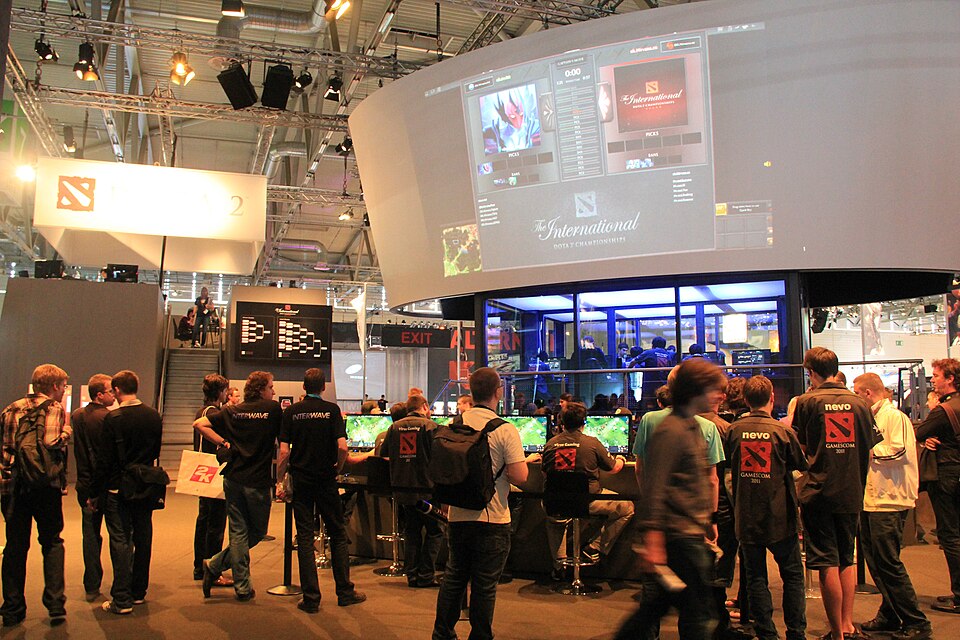
OpenAI Five defeats the reigning Dota 2 world champions OG in a live five-versus-five exhibition match.
.jpg)
DeepMind’s AlphaStar reaches Grandmaster rank on the StarCraft II competitive ladder, placing in the top 0.2% of human players, using camera and APM restrictions designed to approximate fair play.
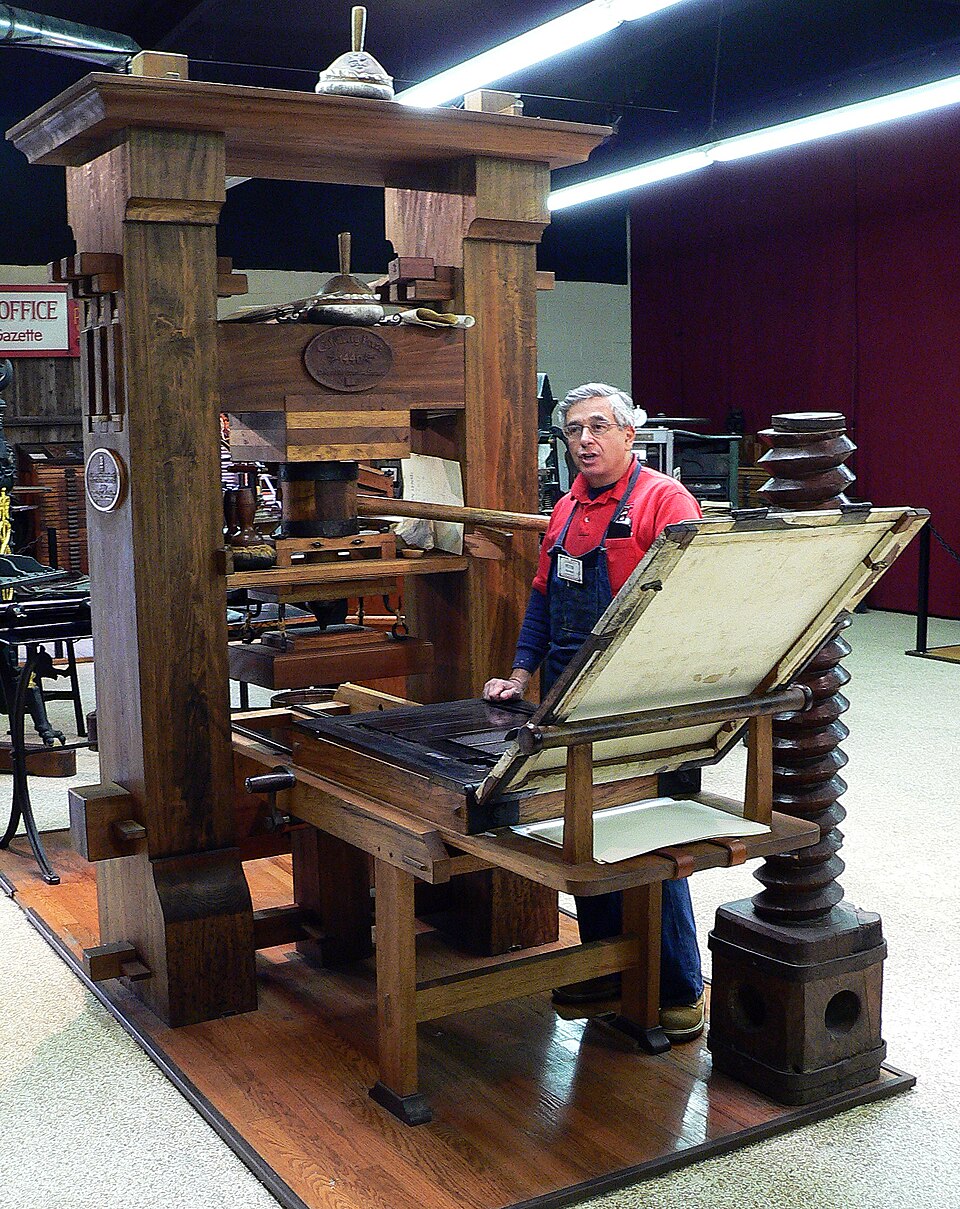
GPT-3 writes poems, news articles and code that humans cannot reliably identify as machine-generated.
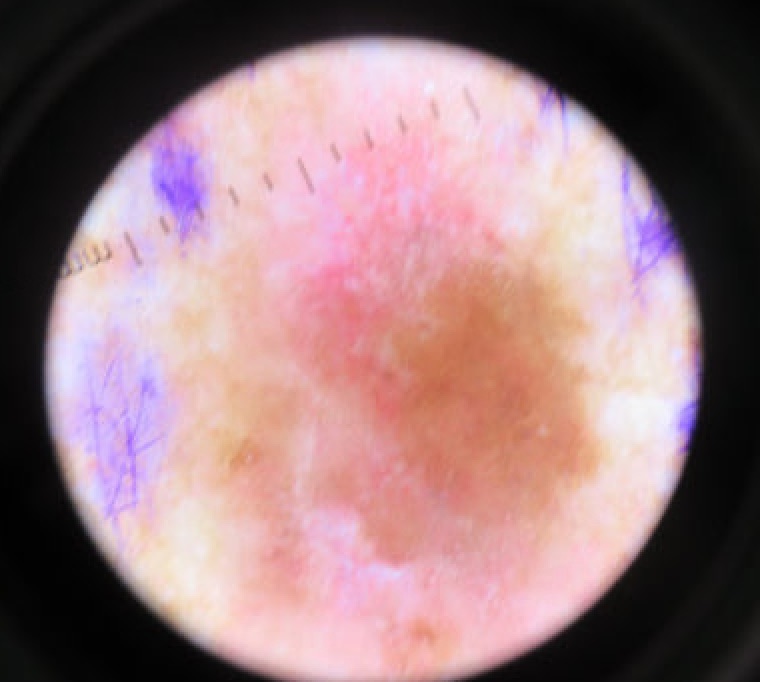
An AI diagnoses skin cancer from smartphone photographs more accurately than the average board-certified dermatologist.
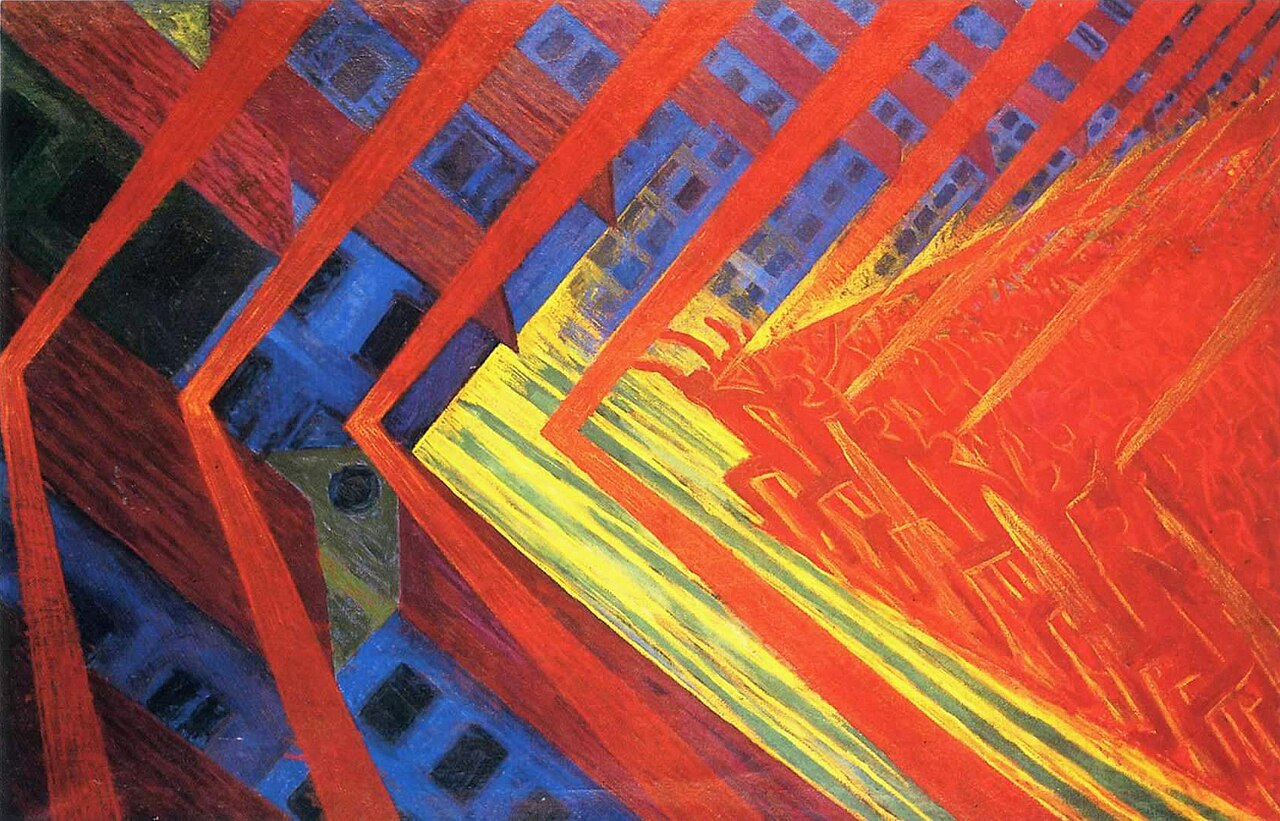
Midjourney generates a painting that wins first place in the “Digital Arts/Digitally Manipulated Photography” category at the Colorado State Fair, beating human artists.
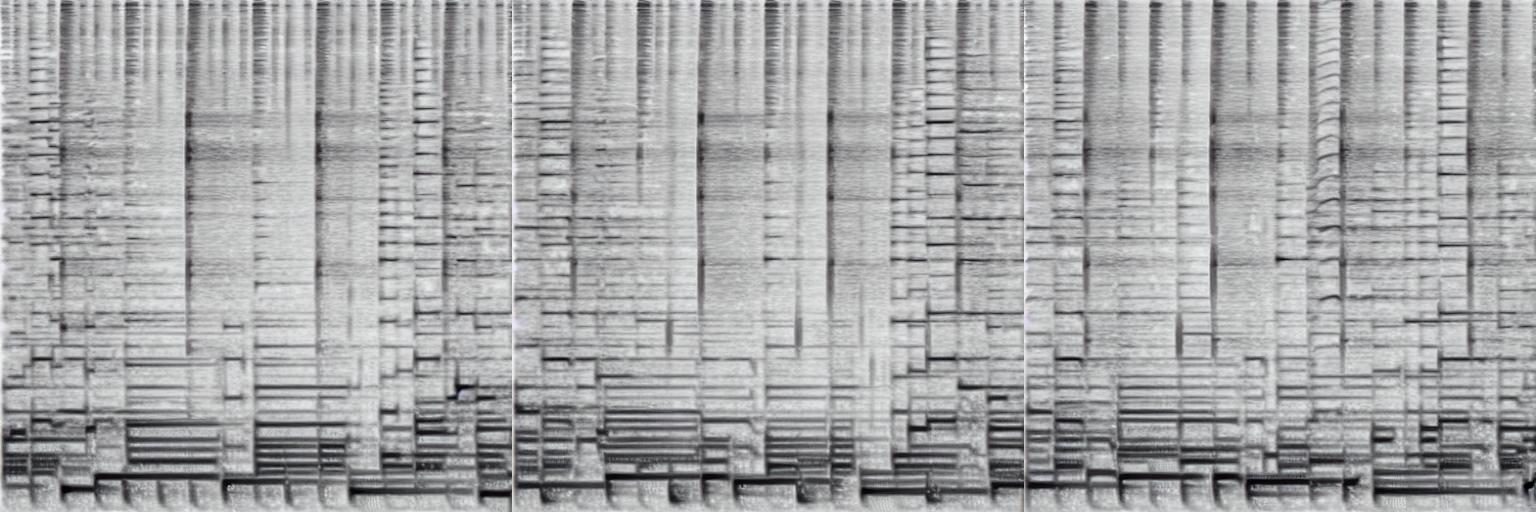
Riffusion goes viral in December 2022: a fine-tuned Stable Diffusion model that generates music by painting mel spectrograms, producing short instrumental clips from text prompts in seconds. Weeks later Google publishes MusicLM, which synthesises high-fidelity stereo music from rich text descriptions. Any style, any tempo, any instrumentation — on demand.
.svg.png)
ChatGPT writes college-level essays, debugs code and answers medical questions; it reaches 100 million users in two months, the fastest product adoption in history at the time.
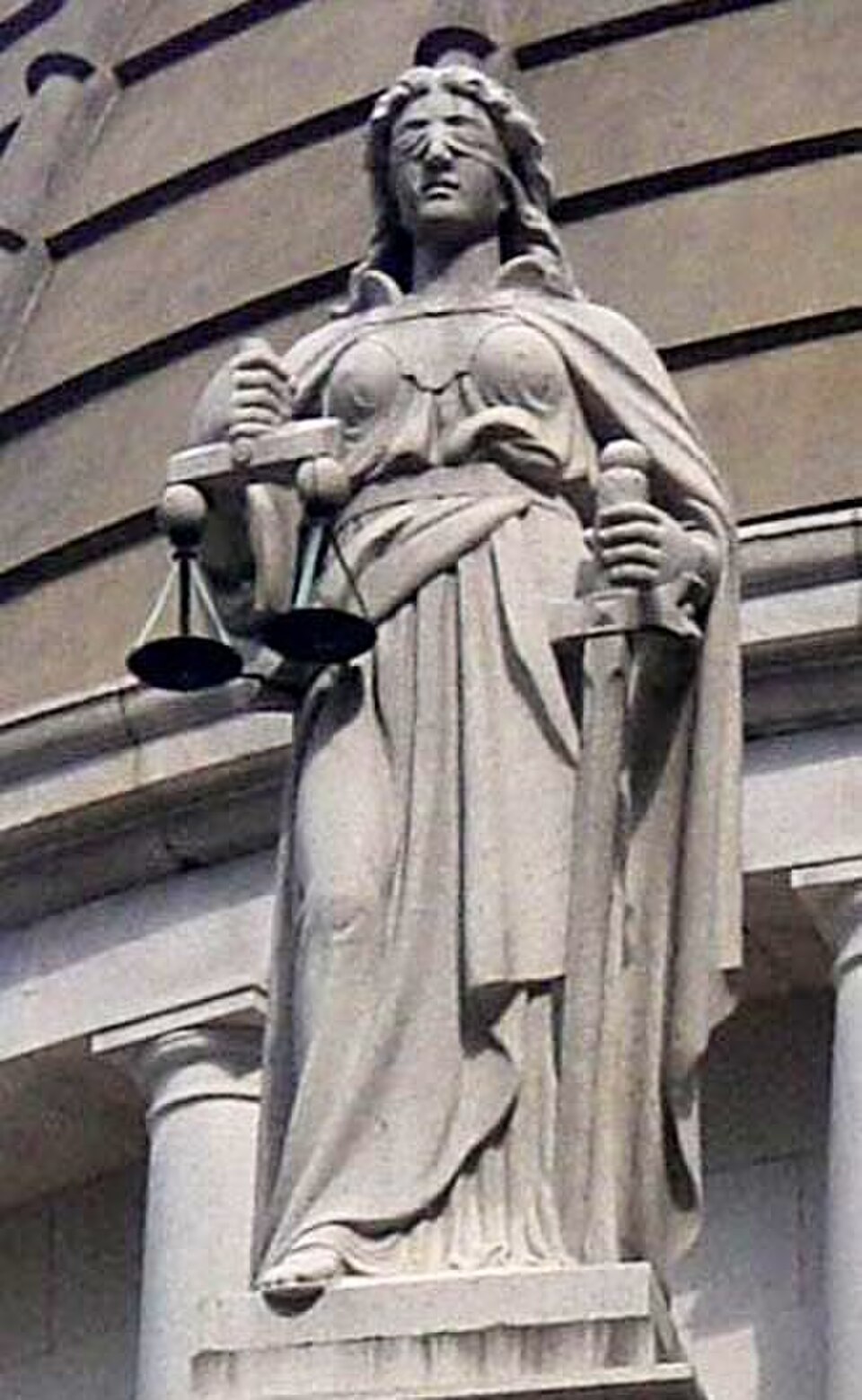
GPT-4 passes the American bar exam. OpenAI reports a 90th-percentile score, though later research disputes the margin when compared with first-time takers.
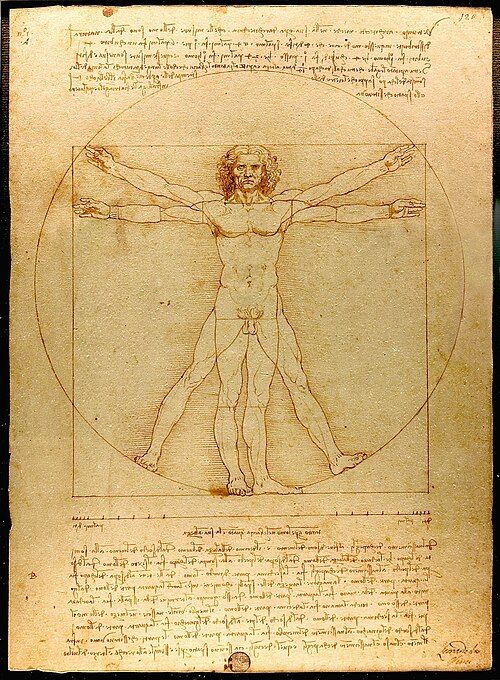
GPT-4 passes the USMLE medical licensing exam, outperforming the average medical student.
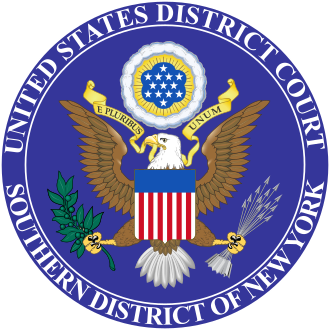
A lawyer submits AI-generated briefs citing six entirely fabricated cases to a federal court. The hallucinations are exposed, and machines fail their first test of factual accuracy under oath.
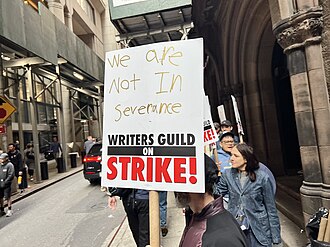
Hollywood writers and actors strike for months, winning contract protections against AI replacing human screenwriters and performers.
.jpg)
Geoffrey Hinton, the “Godfather of AI”, resigns from Google to warn publicly of existential risk from AI, triggering a global safety movement.
EU negotiators reach political agreement on the world’s first comprehensive AI Act, restricting high-risk automated decision-making by machines. It is formally adopted and enters into force in 2024.
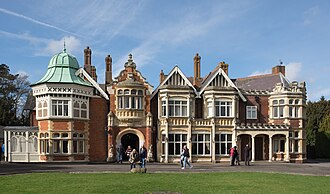
Twenty-eight nations sign the Bletchley Declaration, the first international agreement on AI safety, at the inaugural AI Safety Summit.
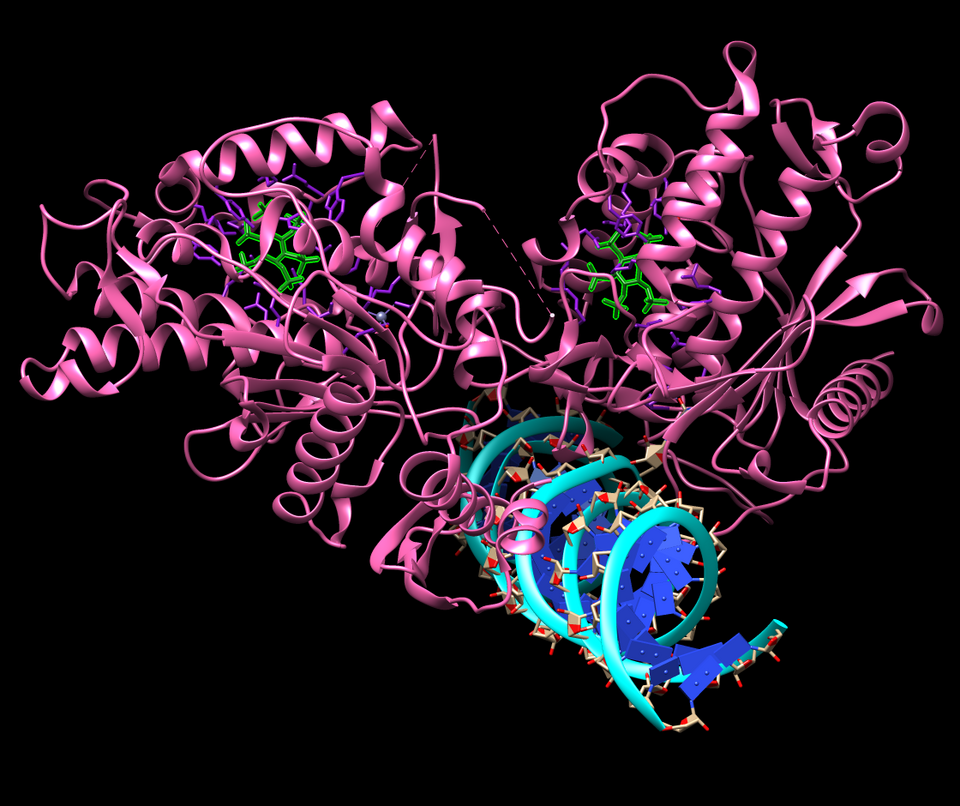
AlphaFold predicts the three-dimensional structure of virtually every known protein — more than 200 million in all, a database first released in 2022. AlphaFold 3 extends this to protein–DNA and protein–drug complexes. Before it, the entire global field of structural biology had experimentally solved roughly 170,000 structures across five decades of effort.
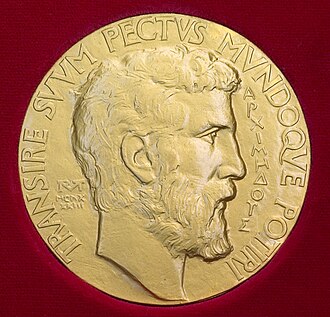
DeepMind’s AlphaProof and AlphaGeometry 2 solve four of six International Mathematical Olympiad problems, achieving a silver-medal performance and outperforming most human contestants.
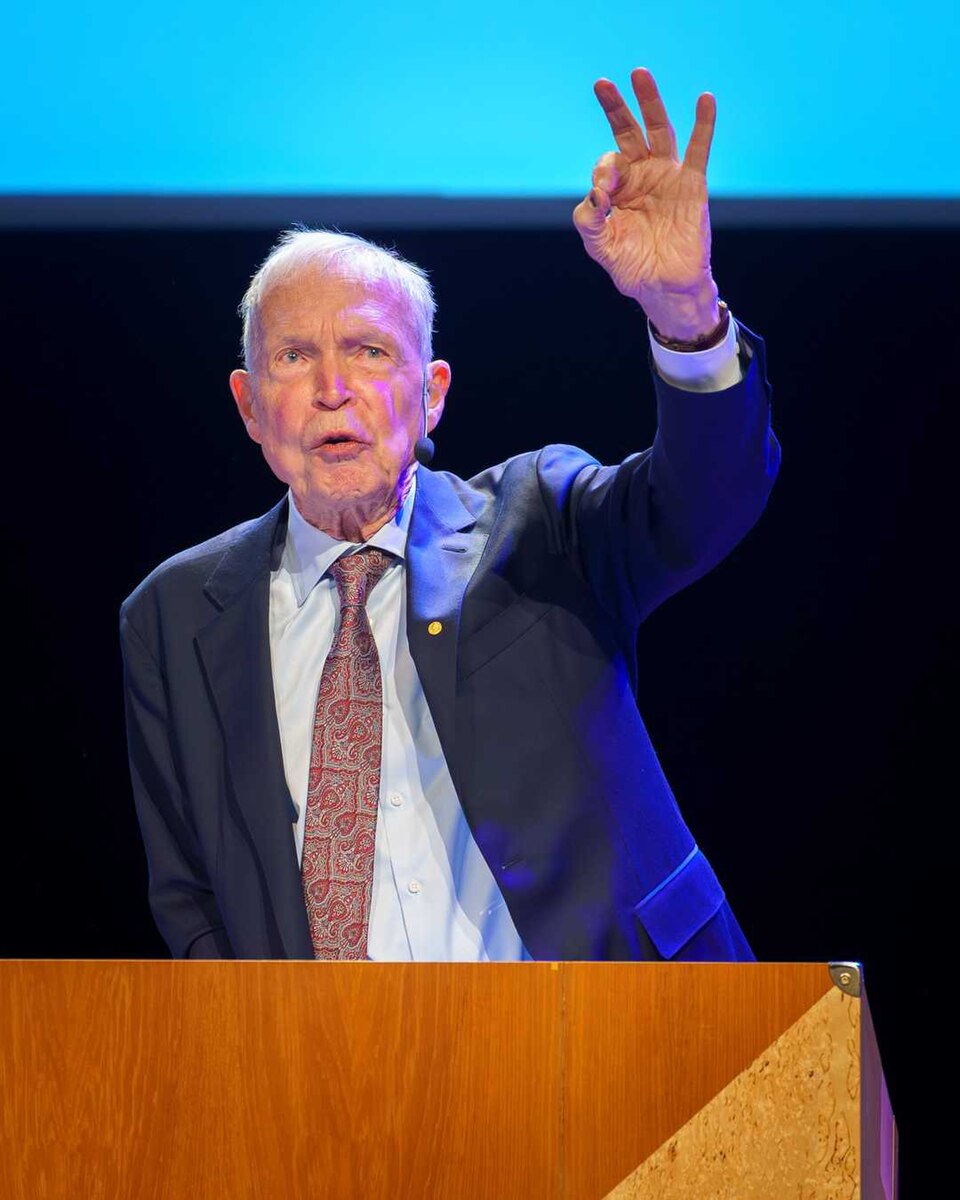
The Nobel Prize in Physics goes to John Hopfield and Geoffrey Hinton for foundational work enabling machine learning; the Chemistry prize goes to Demis Hassabis, John Jumper and David Baker for computational protein design and structure prediction.
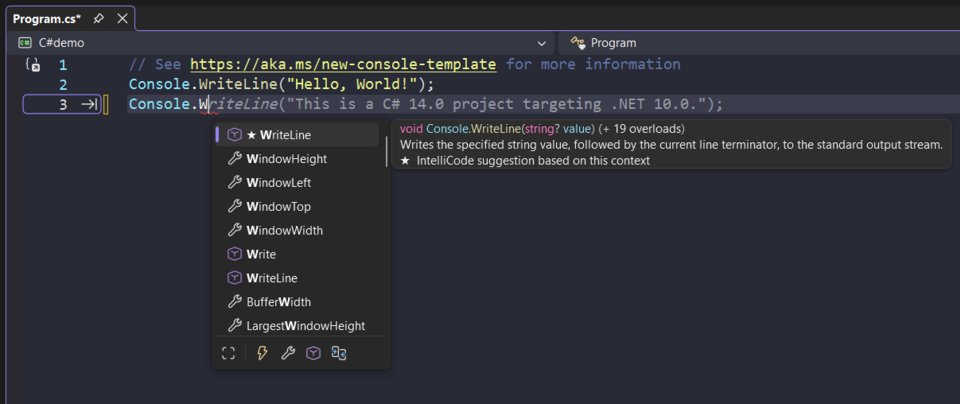
AI coding assistants become ubiquitous in software development, with studies showing 20–40% speed gains on individual coding tasks. GitHub reports more than a million developers using Copilot daily.
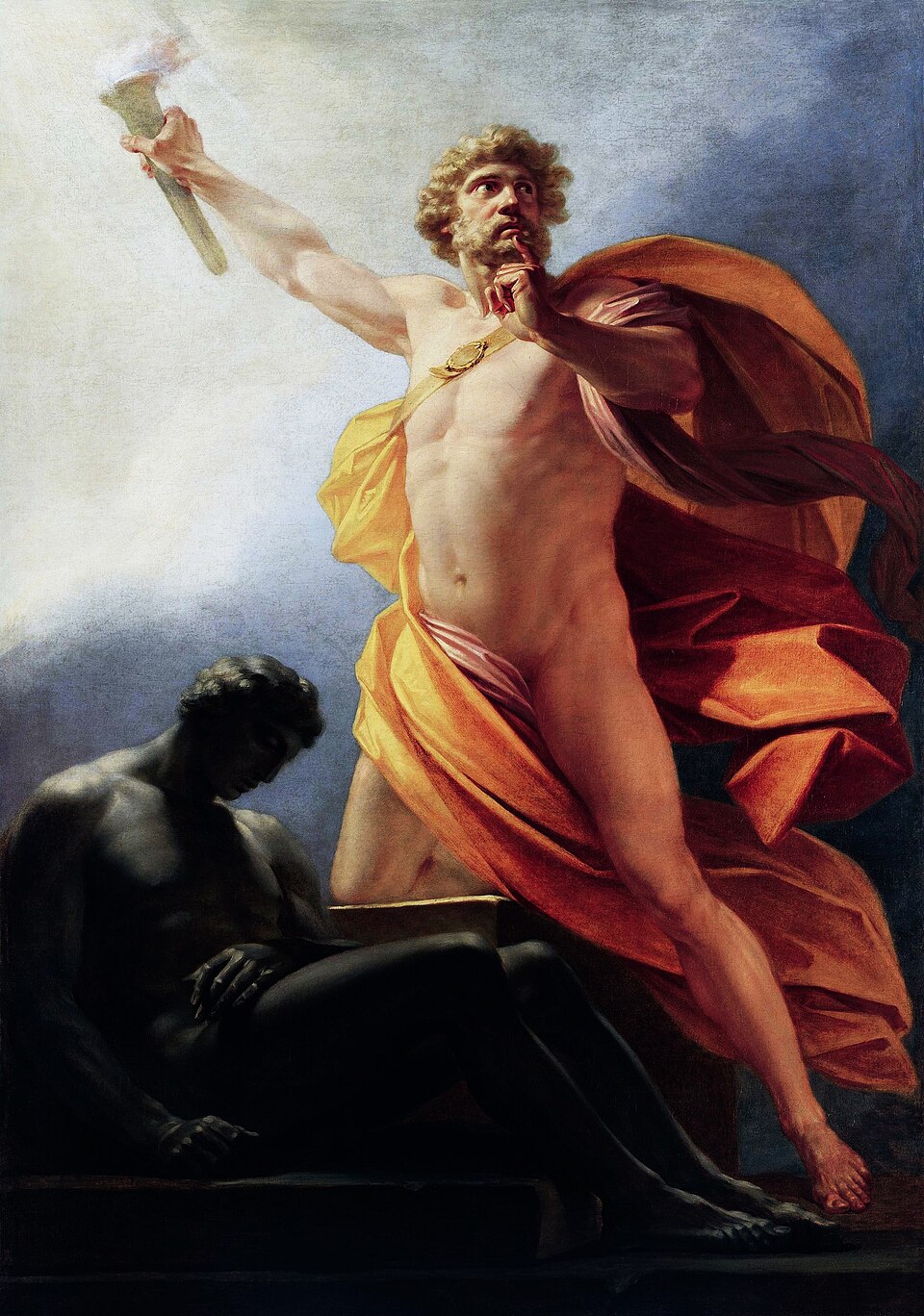
AI agents autonomously complete multi-hour software development tasks, from writing tests and debugging to deployment, from a single sentence of instruction.
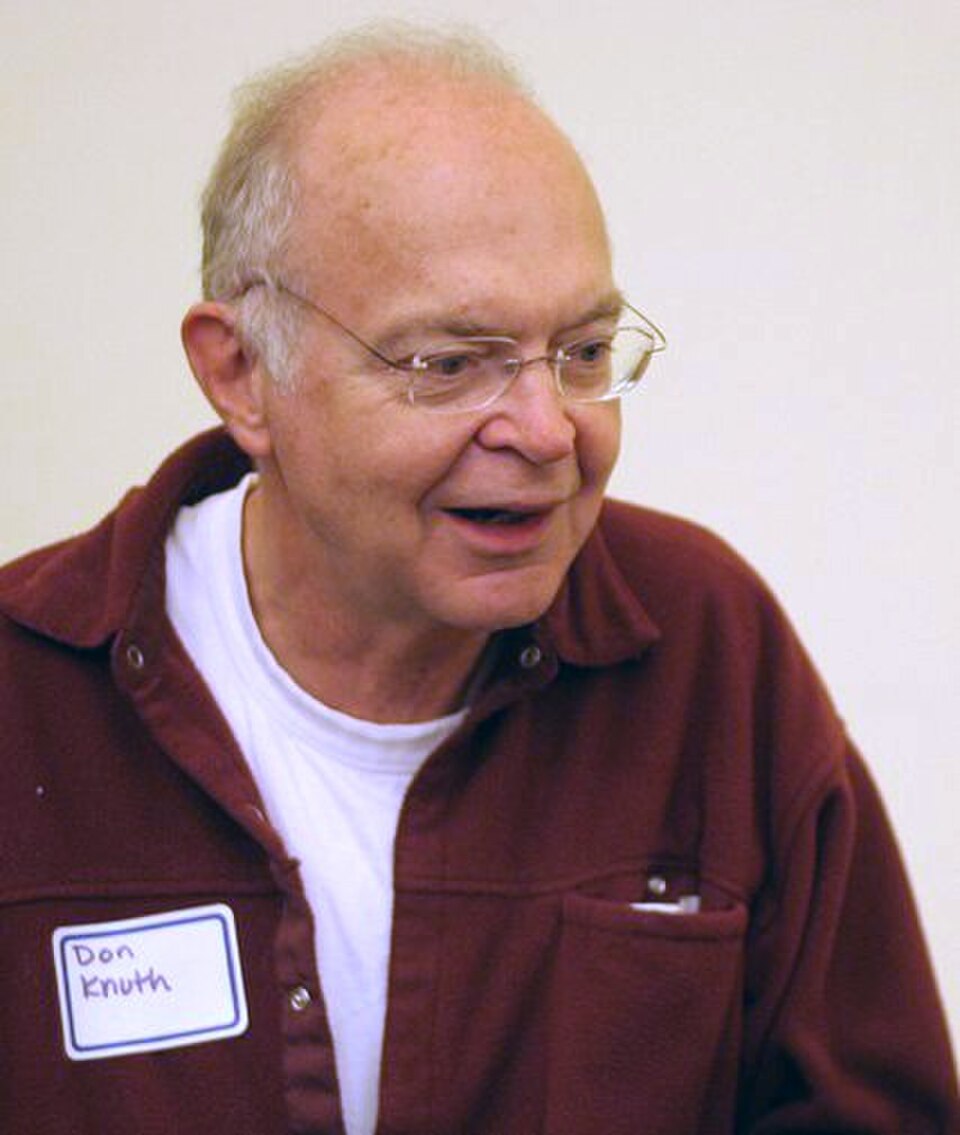
Claude Opus 4.6 solves an open combinatorial problem on Hamiltonian cycle decompositions that Donald Knuth had been working on for weeks for a future volume of The Art of Computer Programming. Kim Morrison formalises Knuth’s proof of the construction’s correctness in Lean within days. Knuth writes: “What a joy it is to learn not only that my conjecture has a nice solution but also to celebrate this dramatic advance in automatic deduction and creative problem solving.”